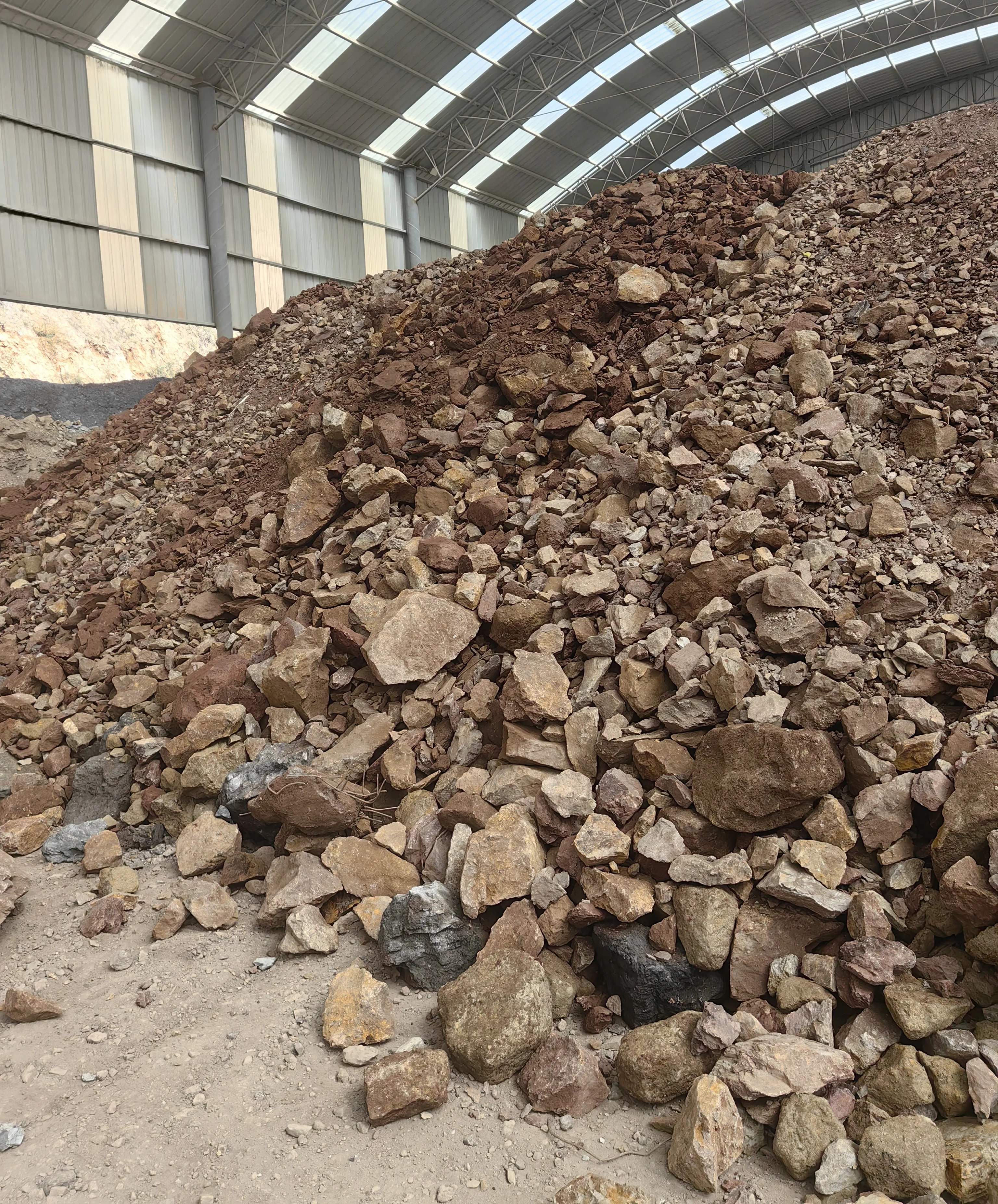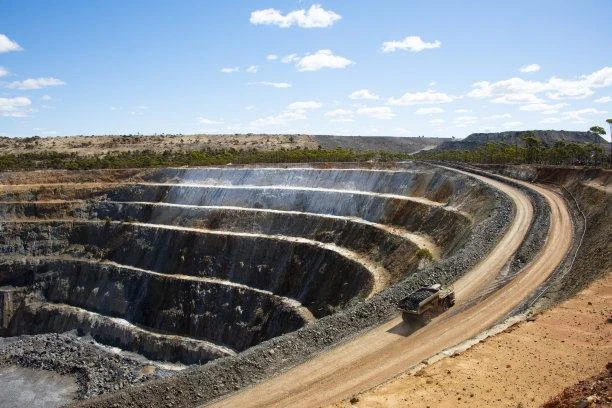
International mineral trading involves much more than transporting ore from a mine to a buyer.
A successful mineral supply chain connects resource availability, quality requirements, mining operations, logistics, trade coordination, and customer demand. For industrial customers that depend on continuous raw-material supply, each stage can influence cost, delivery stability, and production planning.
1. Resource Sourcing
The process begins with identifying mineral resources that match the requirements of downstream customers.
Resource location, production capacity, mineral characteristics, development stage, and long-term availability should all be considered before establishing a supply arrangement.
Stable sourcing starts with understanding the resource itself.
2. Quality Assessment
Mineral quality directly influences downstream processing and commercial value.
Depending on the mineral and transaction requirements, assessment may consider grade, chemical composition, impurities, moisture, particle characteristics, and other technical specifications.
Where required, independent inspection and testing can provide additional verification before shipment.
3. Production & Supply Coordination
Mining production and customer purchasing schedules do not automatically align.
Effective supply coordination connects mine production, stock preparation, quality requirements, order quantities, transportation schedules, and delivery windows.
This becomes particularly important for bulk mineral commodities where large volumes must move through multiple stages of the logistics network.
4. Cross-Border Logistics
International mineral supply may involve inland transportation, storage, port handling, customs procedures, ocean freight, and destination delivery.
Planning these activities as part of an integrated supply chain can help reduce unnecessary interruptions and improve visibility throughout the delivery process.
5. Compliance & Documentation
Cross-border mineral trading also requires attention to applicable regulations and commercial documentation.
Requirements vary by mineral, origin, destination, and transaction structure. Companies involved in international mineral supply therefore need to consider customs requirements, trade documentation, inspection documents, origin information, and applicable local regulations.
From Mineral Resources to Global Markets
Jincheng Mining integrates resource development with mineral supply and international trading.
Our activities cover coal, bauxite, gold, copper, manganese, and other mineral resources, connecting upstream mining opportunities with downstream industrial demand.
From resource sourcing and quality assessment to supply coordination and international delivery, we work across the mineral value chain to support efficient cooperation between mines, partners, and industrial customers.
Looking for mineral resources or international supply cooperation? Contact Jincheng Mining to discuss your project and sourcing requirements.